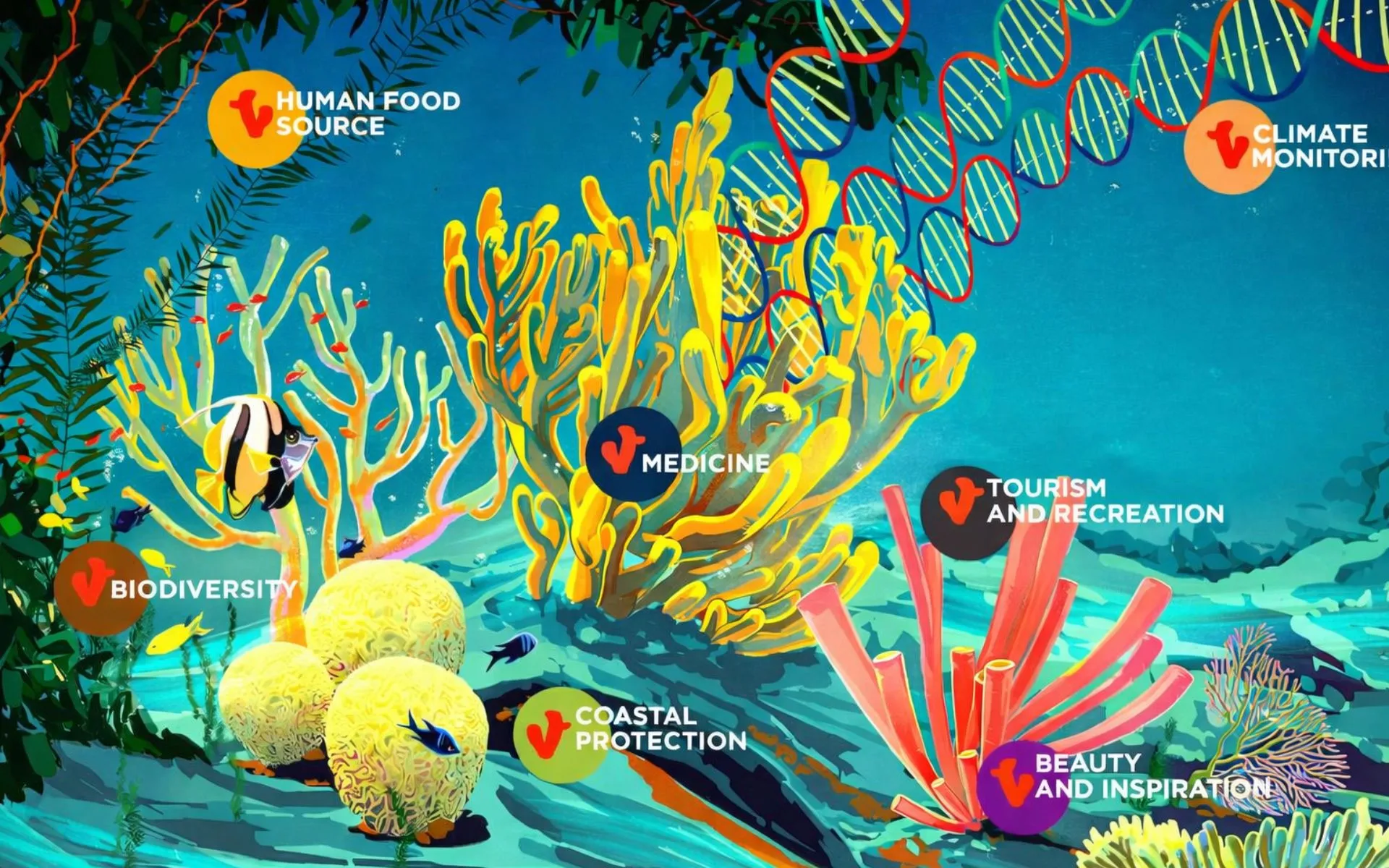
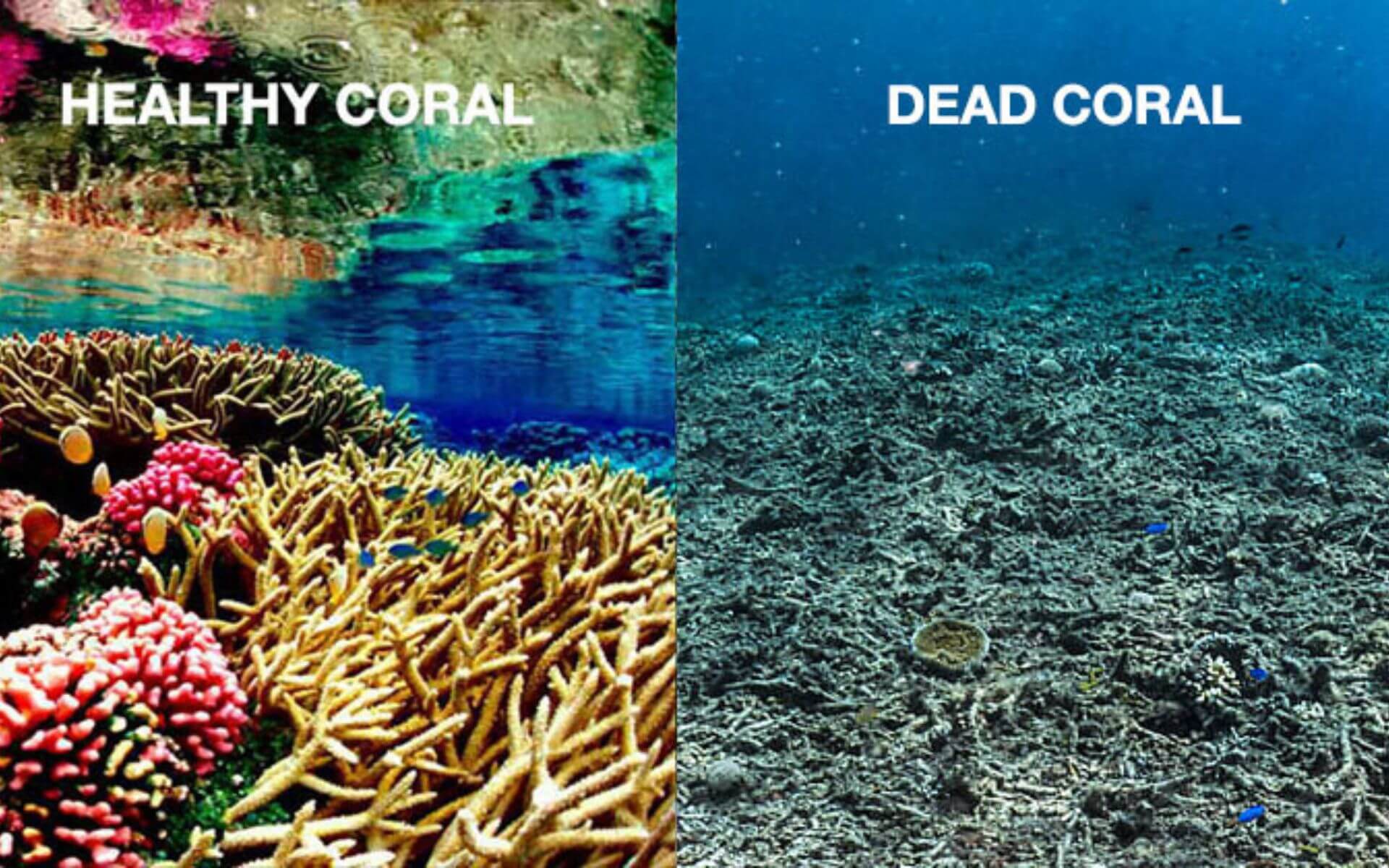
Coral reefs protect coastlines, support fisheries, and contribute to medicine and tourism. Learn why reefs matter to everyone, not just divers, and why their protection is essential.
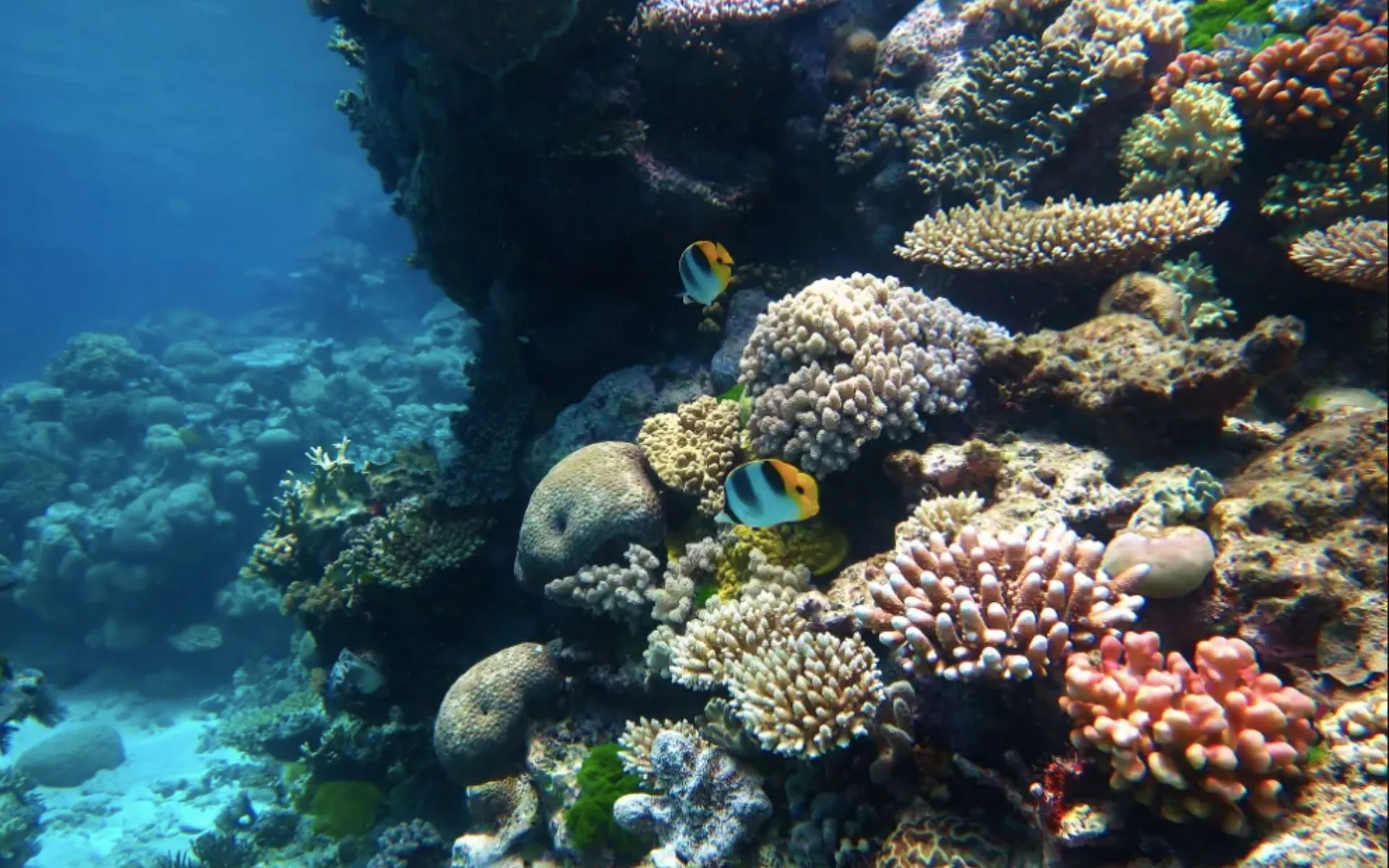
Coral reefs function like underwater cities, with highways, cleaning stations, shelters, and specialized roles. Learn how fish and marine creatures shape the architecture of reef ecosystems.
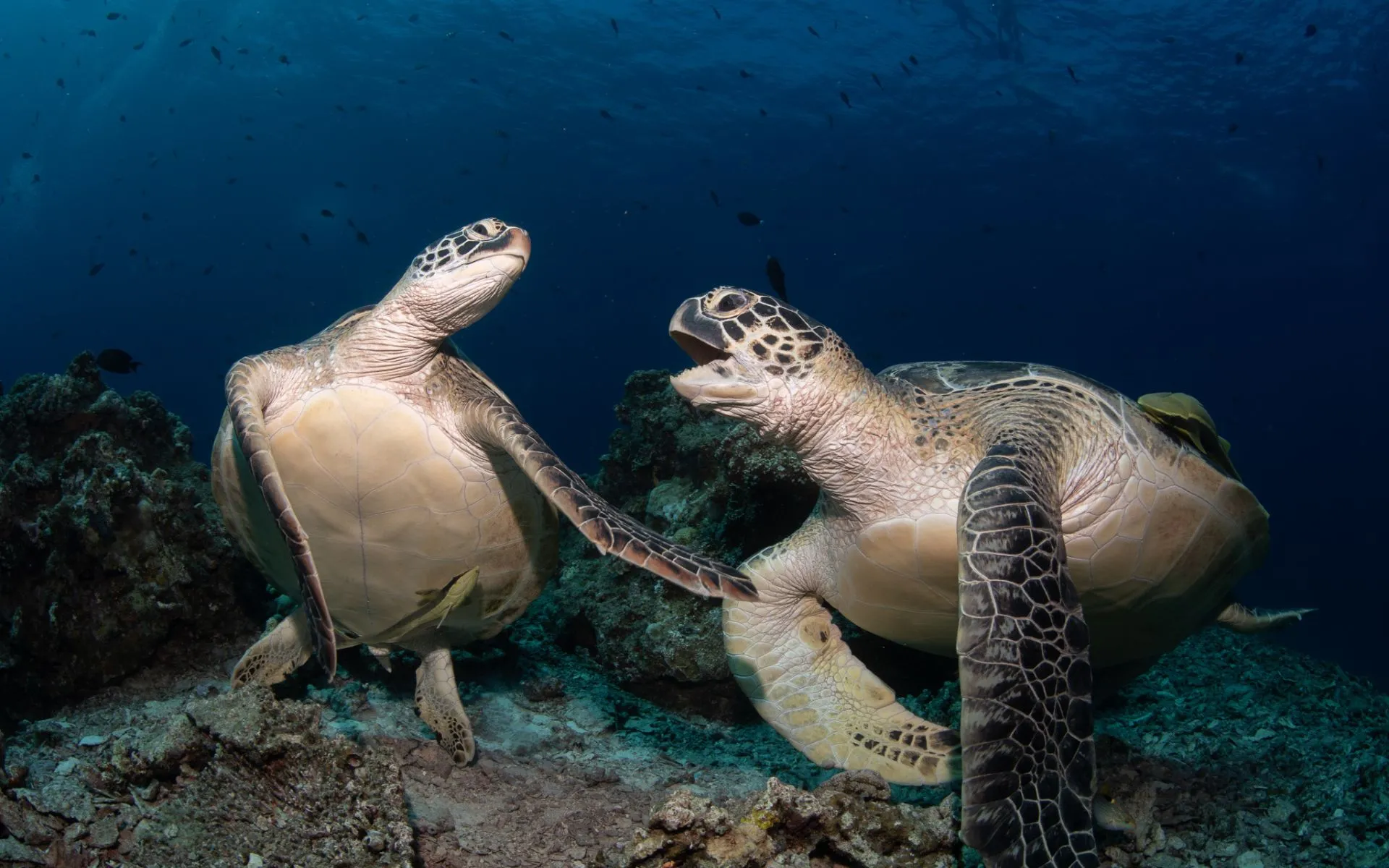
Sea turtles show curiosity, preferences, and individual behavior patterns. Learn how turtles interact with snorkelers, why they approach humans, and what their habits reveal about reef life.
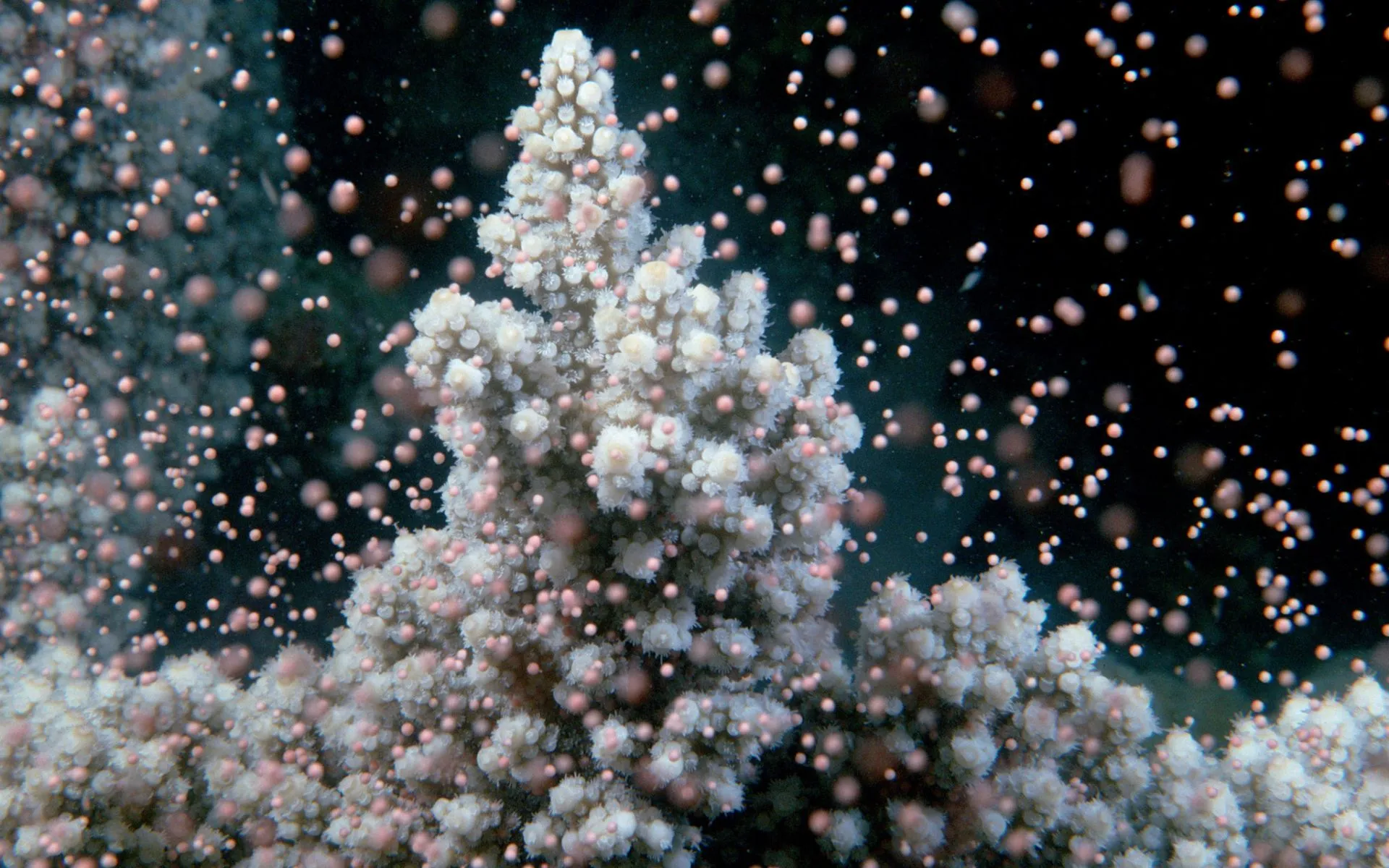
Coral reproduction is one of the most spectacular natural events in the ocean. Learn how coral spawning works, how coral larvae travel, and why this process is essential for reef survival.
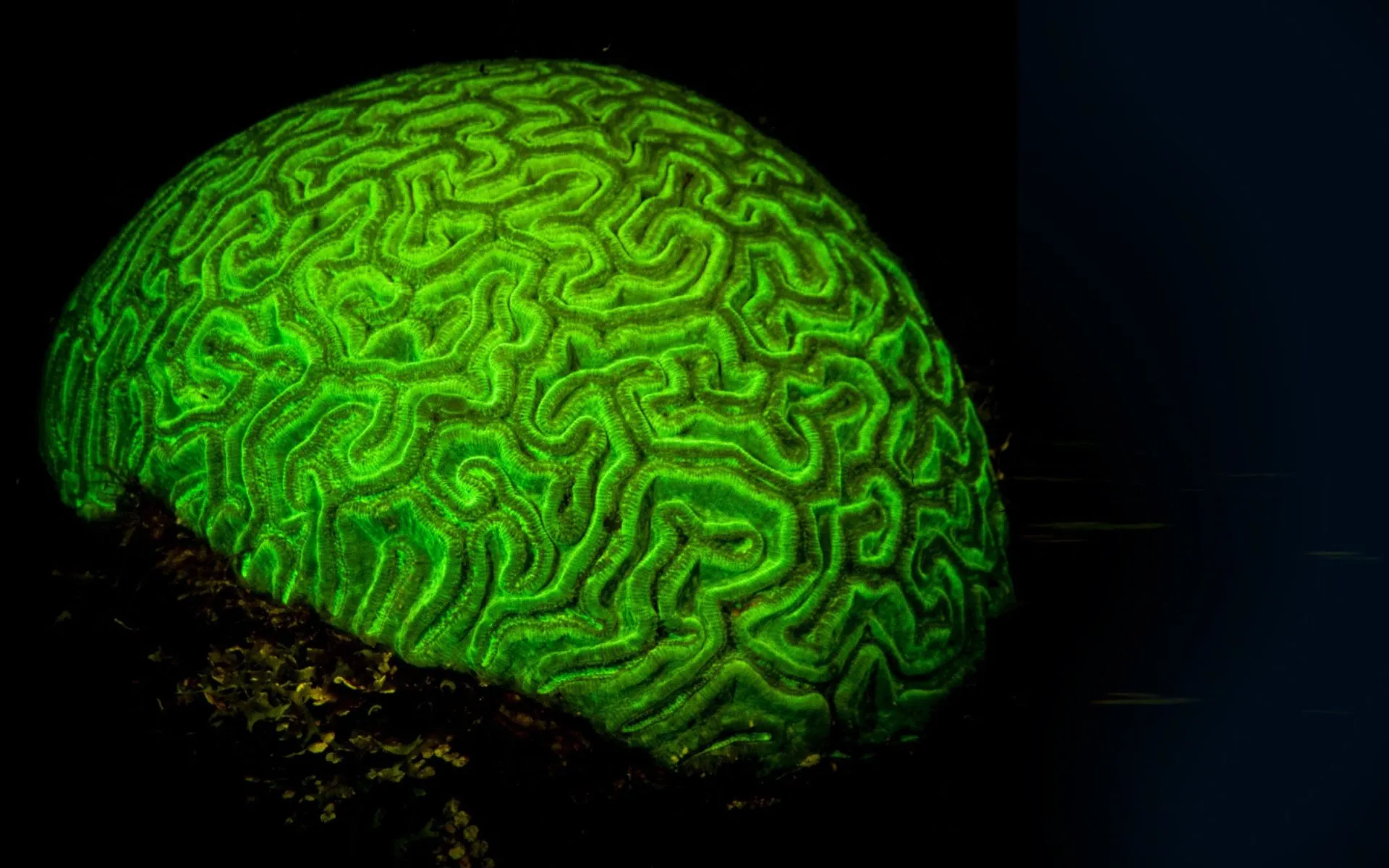
Coral reefs glow at night through a natural process called biofluorescence. Learn how and why corals produce fluorescent proteins, what this means for reef health, and why scientists study this phenomenon
Explore how guest donations at Indo Coral Conservation support local education programs — including weekly educative classes for fifth graders and full-time internships for university students.
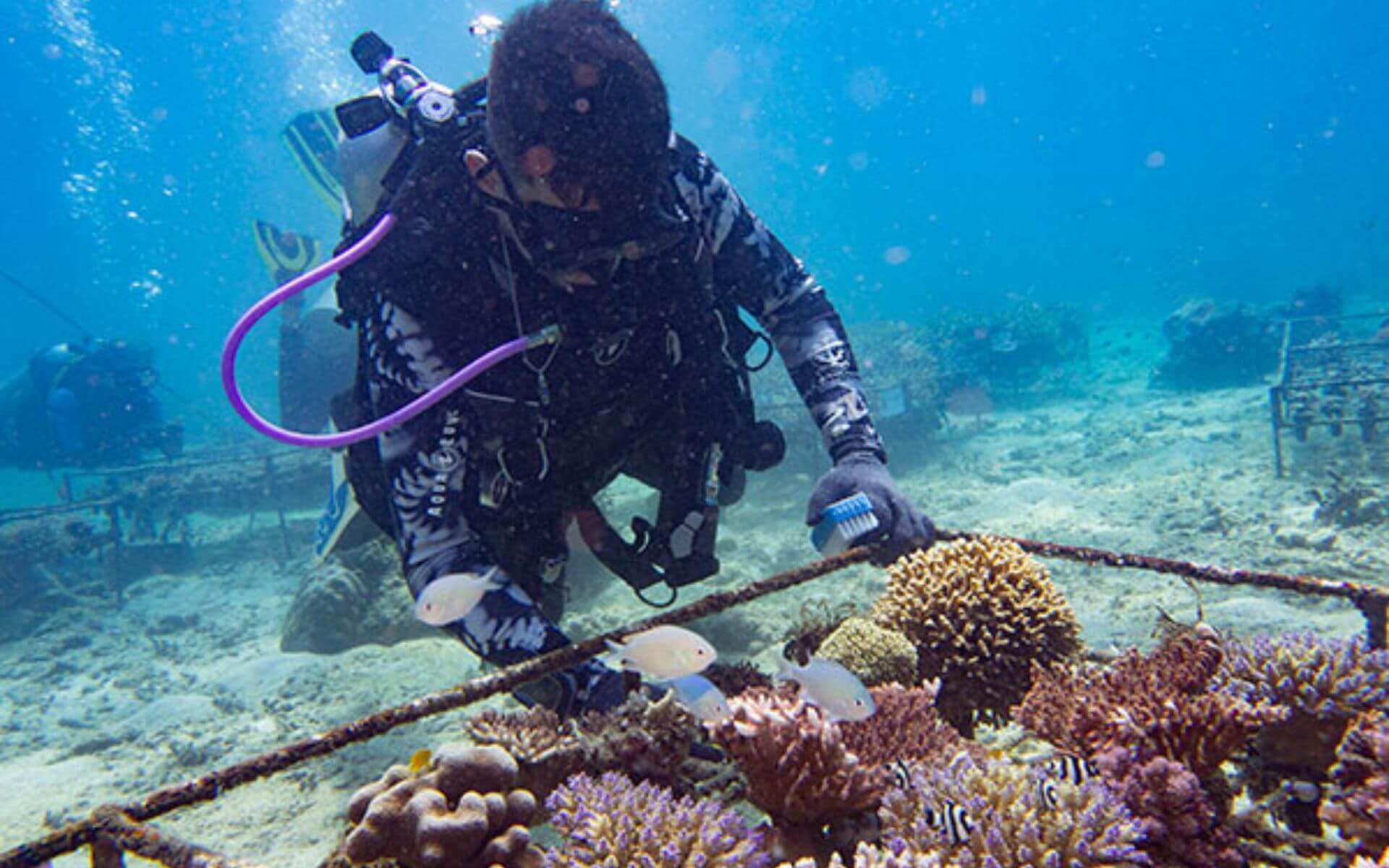
Learn how Indo Coral Conservation’s dive training programs foster reef protection, responsible diving, and community-led ocean stewardship on Gili Air Island.
Explore Indo Coral Conservation’s snorkeling education courses on Gili Air Island. Learn about reef species, coral fragility, and how ocean knowledge inspires protection.
Learn what’s threatening coral reefs in Indonesia and globally. From warming oceans to tourism impacts, Indo Coral Conservation breaks down real challenges and what you can do to help.
What is BRUV – Baited Remote Underwater Video method?
A camera is placed on the seafloor with bait positioned in front. It records fish that come to investigate over a set time. Footage is reviewed later to identify species and behavior. It’s a passive method like setting a camera trap for marine life.
In short: BRUV = film fish attracted to bait, then analyze the video later.
×
What is UVC – Underwater Visual Census method?
Divers swim along a transect line and visually record all fish seen within a defined area. They note species, size, and numbers during the dive. It’s a live fish count. Like taking attendance in a moving classroom.
In short: UVC = spot and count fish by eye while swimming the transect.
×
What is Belt Transect method?
A measuring tape is laid out along the reef. In our case divers count all visible invertebrates (e.g. sea cucumbers, starfish) within a set belt width usually 1 or 2 meters. They record species and numbers while swimming slowly along the line. It’s a wide-area visual count like sweeping a corridor for invertebrates.
In short: Belt = count all invertebrates within a set zone along the tape.
×
What is 3D Coral Monitoring method?
Divers take multiple photos of coral structures from different angles. Photos are processed using software to build a 3D model of the coral. This model shows shape, size, and changes over time. It’s like creating a digital twin of the coral to track its growth.
In short: 3D = capture coral from all sides, then build a model to monitor changes.
×
What is UPT – Underwater Photo Transect method?
A measuring tape is also laid out along the reef. Instead of recording points manually, divers take overlapping photos along the line. These images are later analyzed on a computer to assess coverage and species. It’s a visual capture method like scanning the reef with a camera for later analysis.
In short: UPT = record the whole transect with photos, then analyze later.
×
What is PIT – Point Intercept Transect method?
A measuring tape is laid out along the reef. Divers record what’s directly under specific points at fixed intervals (e.g. every 10 cm). It’s a manual, visual sampling method. Like checking what’s beneath each tick mark on a ruler. Data is written down underwater, point by point.
In short: PIT = record what’s under each point by eye, underwater.