
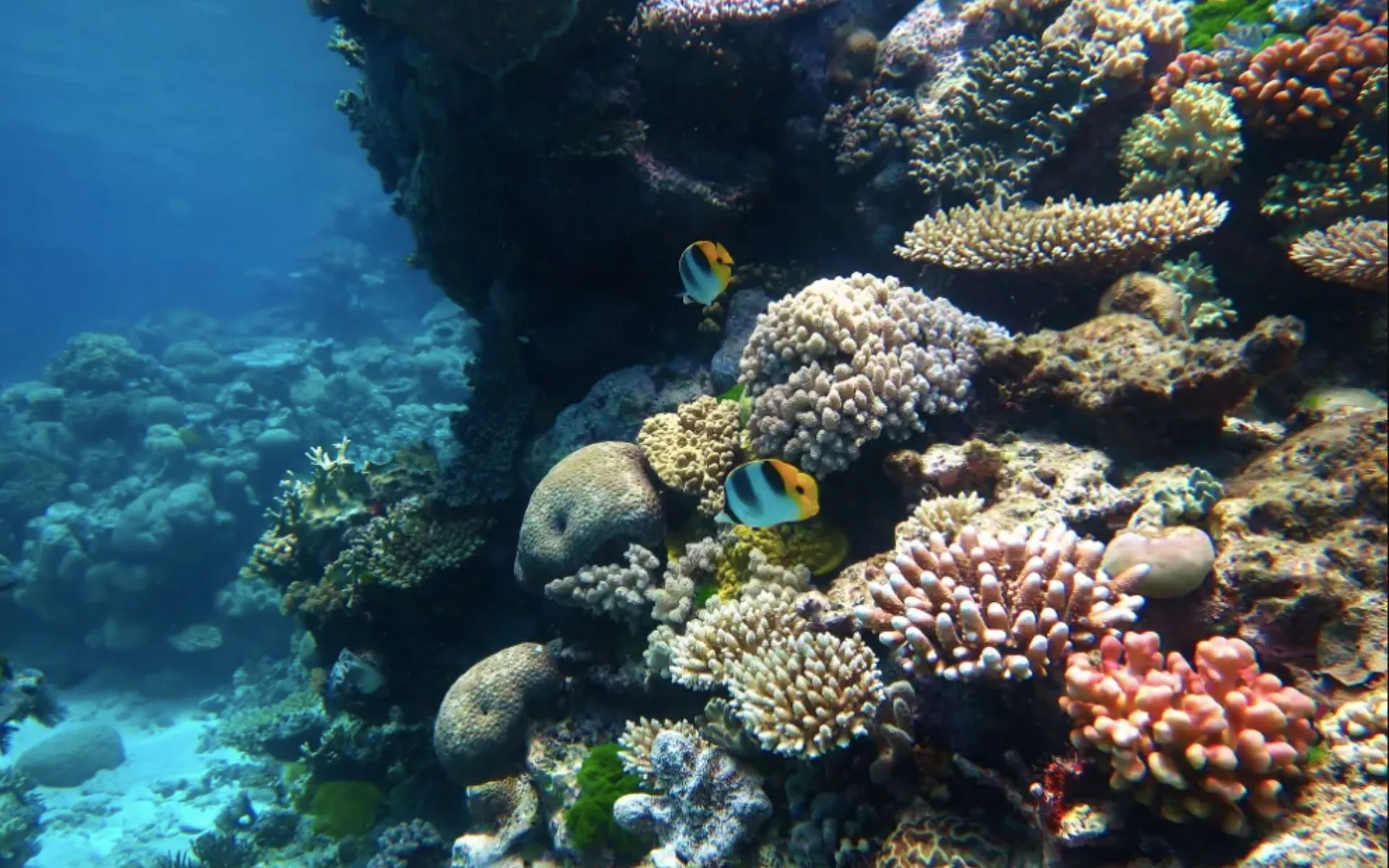
Coral reefs may look chaotic at first glance, but they are actually organized, structured, and full of purpose. If you spend enough time observing them, you start to see patterns that resemble a city: busy streets, quiet neighborhoods, service stations, and even construction workers.
This article explores how fish and other marine creatures shape the architecture of coral reefs — and why this hidden structure matters for the health of the entire ecosystem.
Reefs Have “Highways” and Traffic Patterns
Many fish species follow predictable routes across the reef. These underwater “highways” help them move efficiently between feeding areas, cleaning stations, and shelter.
- Schooling fish like fusiliers and snappers travel in coordinated lines.
- Predators such as trevallies patrol the edges of the reef like border guards.
- Herbivores move in loops, grazing algae and keeping the reef clean.
These patterns reduce collisions, conserve energy, and help maintain balance in the ecosystem.
Cleaning Stations: The Reef’s Service Centers
Cleaning stations are one of the most fascinating features of reef “city life.” These are specific spots where cleaner fish or shrimp remove parasites, dead skin, and debris from larger animals.
At a cleaning station, you might see:
- groupers hovering patiently,
- turtles circling slowly,
- manta rays gliding through like customers in a drive‑through,
- cleaner wrasses darting around like skilled technicians.
These stations are essential for the health of many species — and they operate with surprising efficiency.
Reef “Apartments” and Shelters
Coral structures create thousands of tiny homes for marine life. Each species has its preferred type of shelter:
- Moray eels hide in long, narrow crevices.
- Crabs and shrimp occupy small holes and coral branches.
- Damselfish defend small coral patches like private gardens.
- Octopuses build dens using rocks and shells.
These micro‑habitats are essential for biodiversity. When coral structures break down, entire communities lose their homes.
The Construction Workers of the Reef
Some species actively shape the reef’s architecture. The most famous example is the parrotfish.
- Parrotfish bite dead coral to feed on algae.
- They grind the coral skeleton with powerful beaks.
- They excrete the remains as sand.
A single parrotfish can produce up to 90 kilograms of sand per year. Many tropical beaches — including those in Indonesia — are made largely from parrotfish‑created sand.
Fun Facts About Reef Architecture
- Some fish use sound to communicate across “neighborhoods.”
- Cleaner wrasses remember individual clients and their behavior.
- Butterflyfish pairs patrol territories like homeowners.
- Reef sharks follow predictable patrol routes, similar to security guards.
Why Understanding Reef Structure Matters
Seeing reefs as cities helps us understand how fragile they are. When coral dies or breaks, it’s not just a loss of beauty — it’s the collapse of homes, roads, and essential services for thousands of species.
At Indo Coral Conservation, we focus on restoring structural complexity. A healthy reef is not just colorful — it is three‑dimensional, full of hiding places, and alive with movement.
Key Takeaways
- Coral reefs function like underwater cities with highways, shelters, and service stations.
- Fish and marine creatures shape the reef’s architecture through daily behavior.
- Parrotfish play a major role in creating sand and maintaining reef surfaces.
- Understanding reef structure helps us protect biodiversity and ecosystem balance.
The next time you snorkel or dive, look closely — you’ll see that the reef is not random. It’s a living city, built and maintained by thousands of species working together.
This article is for educational purposes and reflects Indo Coral Conservation’s commitment to factual, accessible marine science communication.